Is Shadow Boxing Actually Useful, or Just a Warm-Up Filler?
Quick Answer: Shadow boxing is genuinely useful for building technique, footwork, and combination fluency when done with deliberate focus — it becomes filler only when it’s done on autopilot without a specific technical goal for the round.
Most gyms treat the first shadow boxing round as a formality before the bag work starts. Done right, it’s doing more than most people give it credit for.
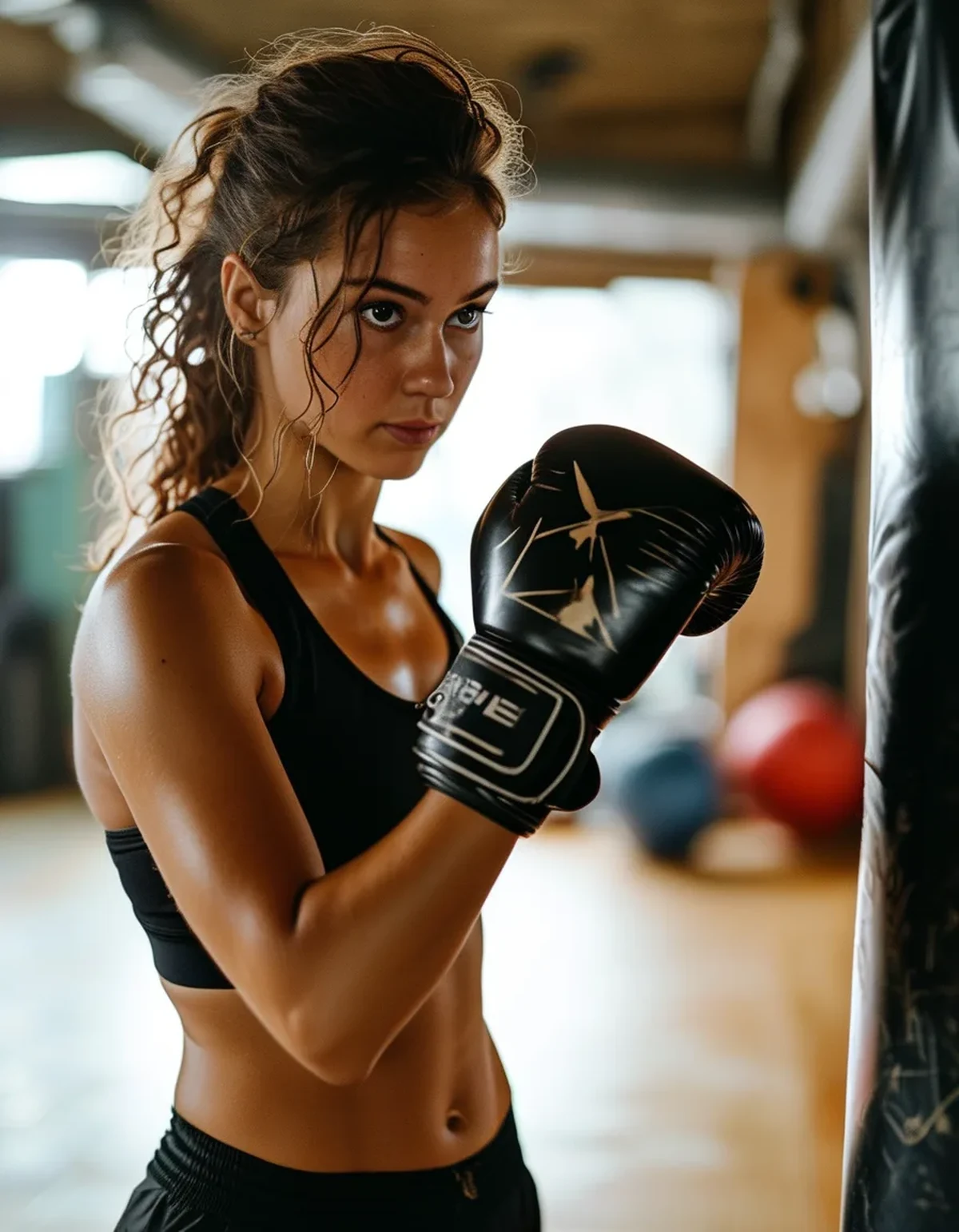
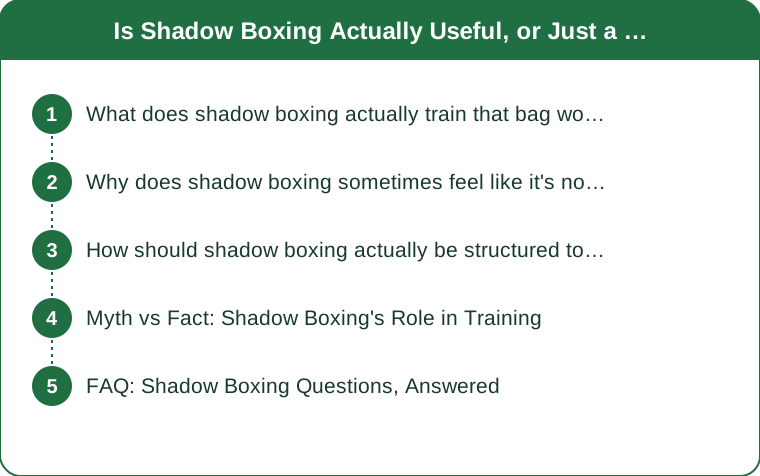
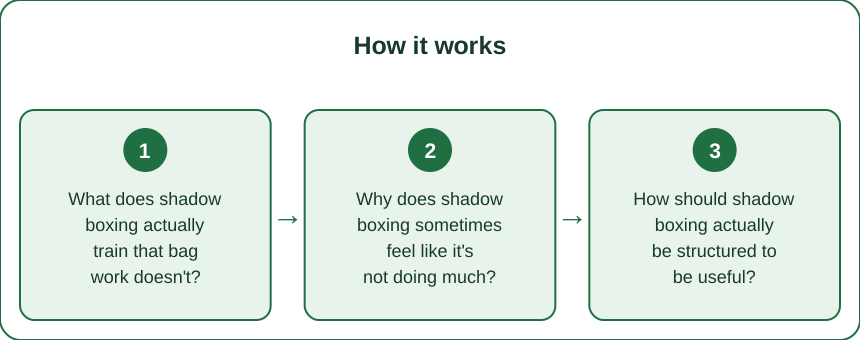
What does shadow boxing actually train that bag work doesn’t?
Shadow boxing is the only training format where footwork, head movement, and punch combinations happen together without a target dictating your distance or timing, making it uniquely useful for building fluid movement rather than isolated technique.
Without a bag or partner to hit, you’re forced to visualize distance and react to an imagined opponent, which builds a kind of spatial awareness that bag and pad work don’t directly train.
Why does shadow boxing sometimes feel like it’s not doing much?
Doing it on autopilot — the same 2-3 combinations repeated without variation or intent — turns shadow boxing into low-value filler, since there’s no target providing feedback to force improvement.
Without a specific technical focus for the round (like working exclusively on head movement, or footwork off the jab), it’s easy for shadow boxing to become a warm-up in disguise rather than genuine skill training.
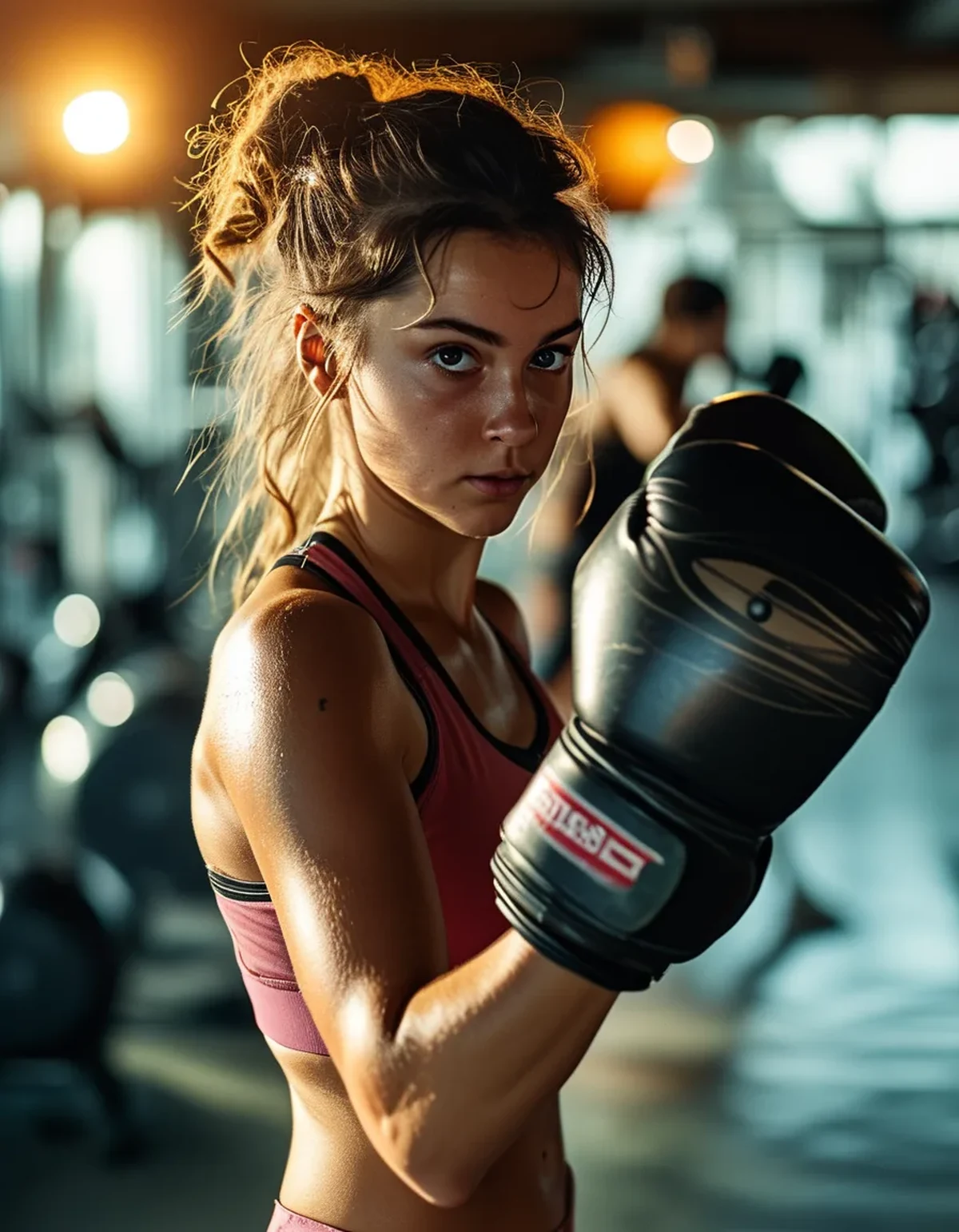
How should shadow boxing actually be structured to be useful?
Assigning each round a specific goal — defense only, combinations off a jab, footwork patterns — turns shadow boxing into deliberate practice rather than generic movement.
Using a mirror periodically checks form on things like guard position and weight transfer that are hard to self-assess without visual feedback, since shadow boxing has no external target to catch technical breakdowns.
Myth vs Fact: Shadow Boxing’s Role in Training
Myth: Shadow boxing is just a warm-up and doesn’t build real skill. Fact: elite boxers use dedicated shadow boxing rounds throughout their careers, specifically because it’s the only format allowing full-speed technical refinement without opponent or bag feedback limiting movement options.
Myth: Shadow boxing should always be done at full intensity. Fact: slow, deliberate shadow boxing rounds focused purely on technique often build more lasting skill than fast, sloppy rounds thrown at full speed.
FAQ: Shadow Boxing Questions, Answered
How many shadow boxing rounds should a session include?
2-3 rounds with specific technical goals is generally more valuable than 5+ rounds done without intention or variation.
Should beginners shadow box in front of a mirror?
Yes — a mirror is one of the most useful tools for beginners specifically, since it provides visual feedback that’s otherwise missing from this training format.
Is shadow boxing a good enough workout on its own?
It builds technique and some conditioning, but it’s best paired with bag work or sparring for full skill development rather than relied on exclusively.
TL;DR:
- Shadow boxing uniquely trains footwork, movement, and combinations without a target dictating pace
- Autopilot repetition without a specific goal is what turns it into filler
- Assigning each round a technical focus makes the training deliberate rather than generic
- A mirror provides visual feedback that bag and pad work don’t offer
Given an actual goal each round, shadow boxing earns its place well beyond the warm-up.
Keep Reading
This article is for general informational and styling purposes only. Fit, sizing, and product availability may vary.