What Hand Wraps Actually Do (It's Not Just Padding for Your Knuckles)
Quick Answer: Hand wraps aren’t knuckle padding — your glove already does that job. Their real function is stabilizing the wrist and holding the small metacarpal bones of your hand together as one unit during impact. Most boxing hand injuries happen at the wrist or in those bones, not on the knuckles.
Every beginner wraps their hands the same way: lots of attention on the knuckles, a quick loop or two at the wrist, done.
That’s backwards. The part you’re rushing through is the part that’s actually protecting you.
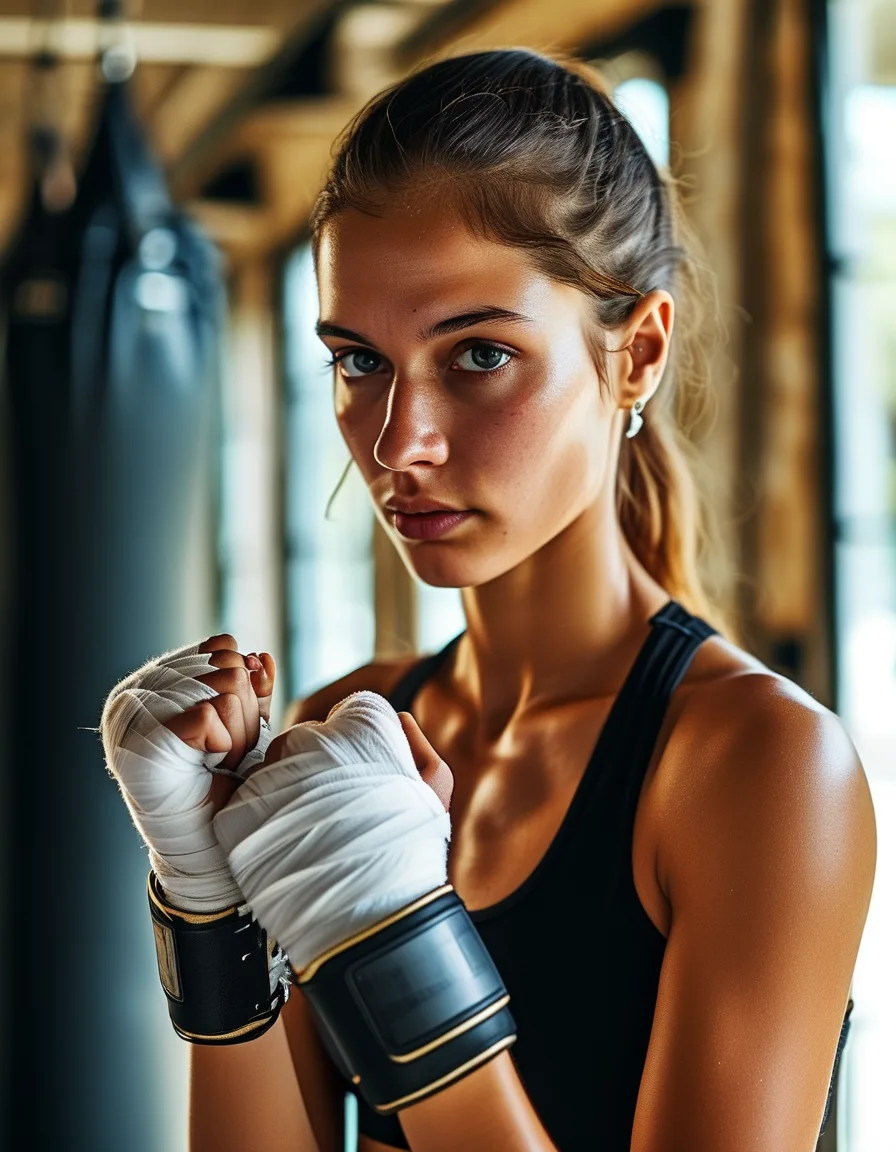
What Do Boxing Hand Wraps Actually Protect?
The wrist and the small bones of the hand — not the knuckles specifically.
Here’s the logic. Your glove already contains substantial foam padding directly over the knuckles. That’s what the glove is for. Adding a few millimetres of cotton wrap underneath contributes very little additional cushioning to a surface that’s already well cushioned.
Meanwhile, the injuries that actually put people out of training are wrist injuries and metacarpal injuries — including the specific fracture pattern common enough to be called a boxer’s fracture. Those come from misalignment and inadequate support at the moment of impact, not from insufficient padding.
So the wrap isn’t a cushion. It’s a brace. That reframing changes how you should wrap.
What Anatomy Is Being Protected?
The wrist is a stack of small bones with limited inherent stability. Eight carpal bones, held by ligaments, forming a joint that’s built for mobility rather than for absorbing repeated axial impact. Punching loads it in exactly the direction it’s least equipped for.
When a punch lands and the wrist bends even slightly — flexion or extension at impact — force travels through a misaligned joint. Do that a few hundred times a session and you get the wrist pain that a huge share of beginners quietly train through.
The metacarpals need to act as a unit. Those are the five long bones running from your wrist to your knuckles. Under impact, they’re strongest when held together and aligned. Allowed to spread or shift independently, individual bones take load they aren’t designed to take alone — which is the mechanism behind that classic boxer’s fracture at the fifth metacarpal.
So the wrap has two structural jobs: limit wrist flexion and extension, and bind the metacarpals into a single stable block. Everything else is secondary.
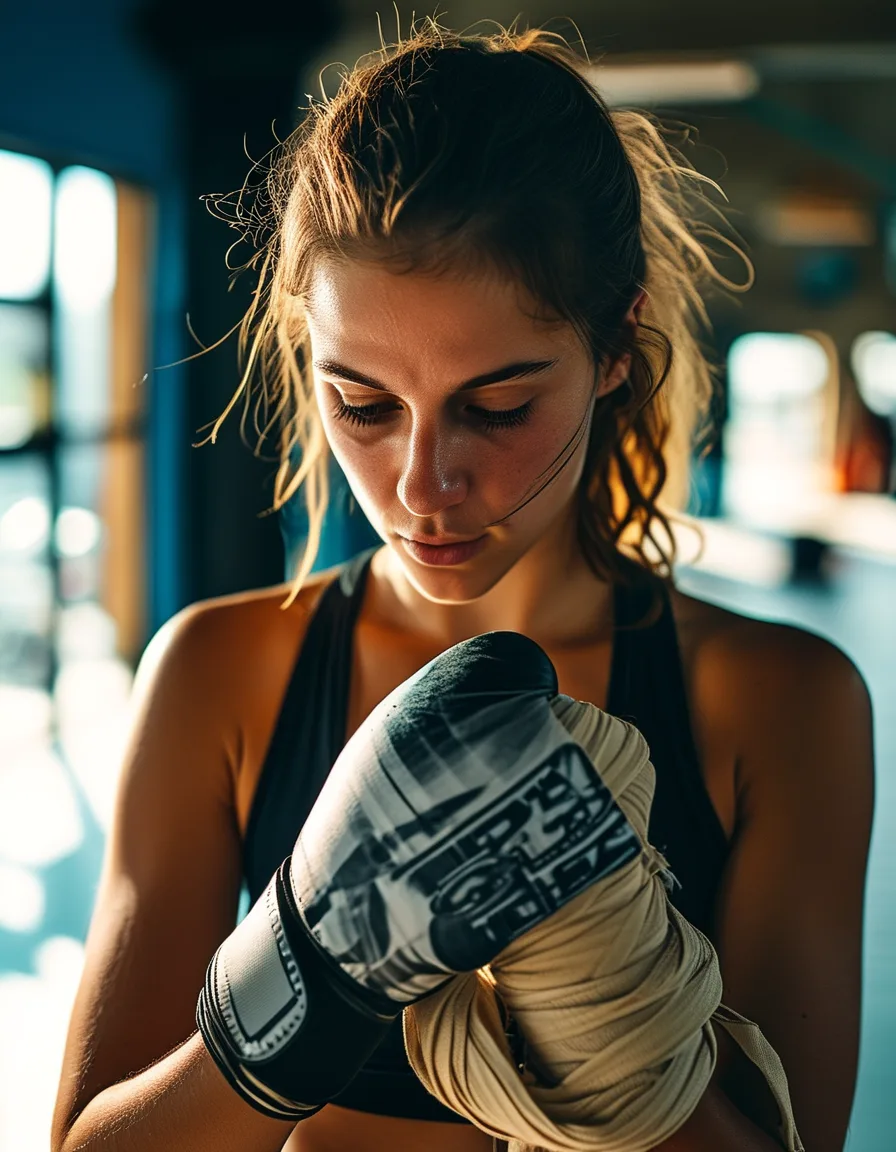
5 Mistakes Everyone Makes When Wrapping
- Skimping on the wrist. A couple of loose loops, then straight to the knuckles. This is the big one — it skips the primary purpose entirely.
- Wrapping too tight and cutting circulation. Firm support and a tourniquet are different things. Tingling, numbness, or color change in the fingers means unwrap and redo it.
- Never wrapping between the fingers. Those loops are what hold the metacarpals aligned as a unit. Without them the wrap is decoration.
- Wrapping with the fist closed the whole time. Wrap with the hand slightly spread, then make a fist to check — it should feel supportive when closed, not painfully constricting.
- Autopilot. The third mistake surprises people, but this is the one that gets experienced boxers hurt: a wrap done identically for two years without ever asking whether it’s still doing its job.
How Do You Wrap for the Actual Function?
Wrap for the two structural jobs, in order.
Start with the wrist and make it genuinely firm. Several passes, snug enough that the joint resists bending noticeably in both directions. Test it: with the wrap on, try to flex and extend your wrist. There should be clear resistance. If it moves freely, you’ve wrapped a bracelet.
Then bind the hand across the knuckle line and between the fingers. The between-finger loops separate and align the metacarpals; the knuckle passes hold them together as a block. This combination is what keeps the bones acting as one unit under impact.
Come back to the wrist to finish. Most standard wrapping methods return there for a reason — it reinforces the section doing the most important work.
Then check it consciously, every session. Make a fist. Does the wrist feel supported? Are the fingers a normal color? Can you feel the hand held together as a unit rather than as five loose bones? Thirty seconds of actual attention beats a habitual wrap you stopped thinking about in 2019.
Training gear generally follows this same principle — the pieces that stay put and hold their position do more than the ones that just look the part. It’s the same reason people who train hard prefer squat-proof high waist leggings over anything that shifts mid-session: support you don’t have to think about.
When to see a professional: persistent wrist pain, pain over a specific bone, swelling that doesn’t settle within a day or two, or any hand injury with visible deformity needs medical assessment. Metacarpal fractures are commonly missed and commonly trained through. This is general information, not medical advice.
FAQ
Do I still need wraps if my gloves are well padded?
Yes — the glove’s padding addresses knuckle impact, which the wrap barely affects anyway. The wrist and metacarpal support the wrap provides isn’t something a glove replaces.
How tight should hand wraps be?
Firm enough that the wrist genuinely resists bending, loose enough that your fingers stay normal color and sensation. Tingling or throbbing means too tight — unwrap and redo.
Are quick-wraps or gel wraps good enough?
They’re convenient and better than nothing, but most provide less adjustable wrist support than traditional wraps. If wrist stability is the main job, the traditional version generally does it better.
TL;DR
- Wraps protect the wrist and metacarpals, not the knuckles — your glove handles knuckle padding.
- The wrist has limited inherent stability and is loaded in its weakest direction by punching.
- Metacarpals need to be held as one aligned unit; that’s what between-finger loops do.
- Wrap wrist first and firmly, bind the hand across the knuckles and between fingers, and check consciously each session.
- See a doctor for persistent wrist pain, bone-specific pain, swelling, or deformity.
Keep Reading
This article is for general informational and styling purposes only. Fit, sizing, and product availability may vary.