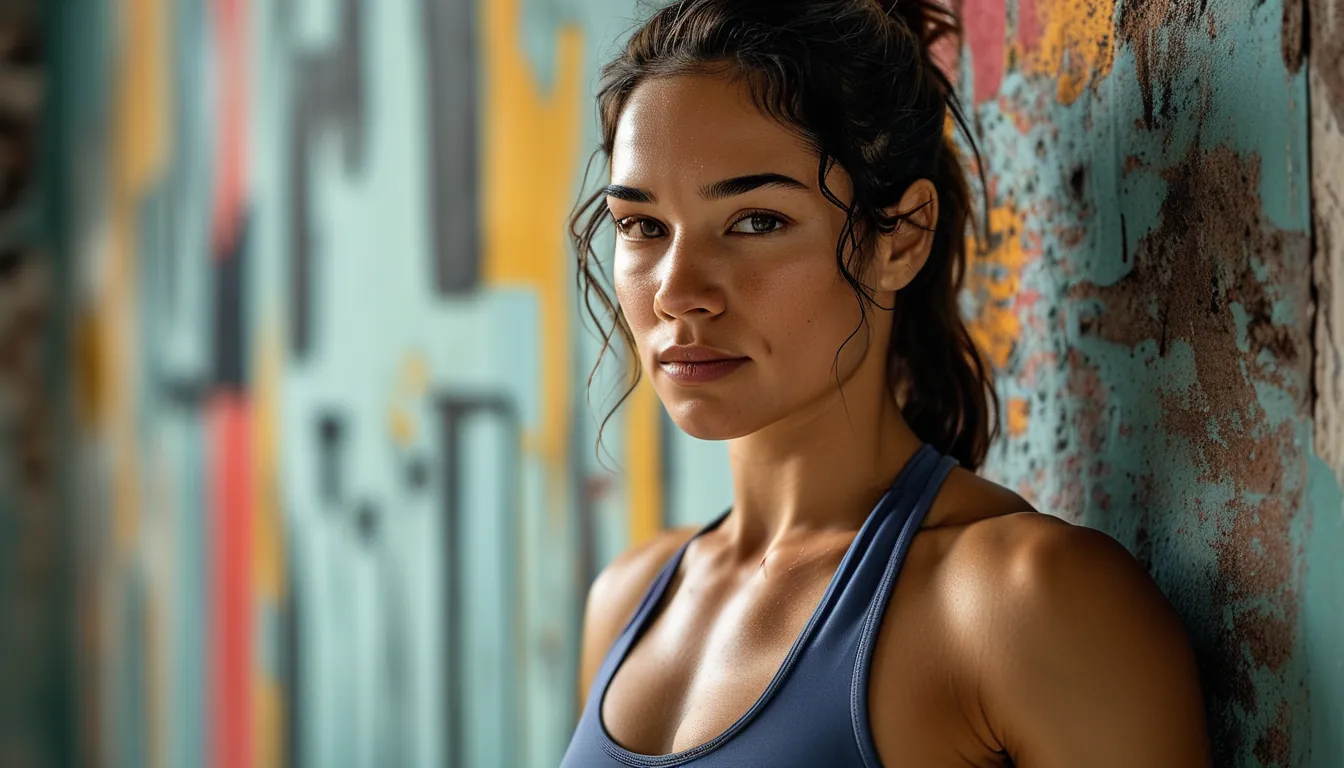
Your First Boxing Gym Visit: What Happens, What to Expect and How to Belong Fast
Quick Answer: A first boxing class involves zero sparring — you’ll shadowbox, hit a heavy bag, and do conditioning. Arrive 15 minutes early for the waiver and a hand-wrap lesson, bring athletic clothes, water and a towel, and buy hand wraps (~$10) — the gym will lend you gloves. Book a class labeled beginner or fundamentals, not “all levels.” Expect sore forearms and shoulders the next day, and expect the room to be far friendlier than its reputation.
The boxing gym in your head has a spit bucket, a heavy bag hanging from a chain, and a man named Tank who does not want you there.
The boxing gym that actually exists three miles away has a class of twelve people, nine of whom started this year, and a coach who will spend six minutes teaching you to wrap your hands. The reputation is about forty years out of date.
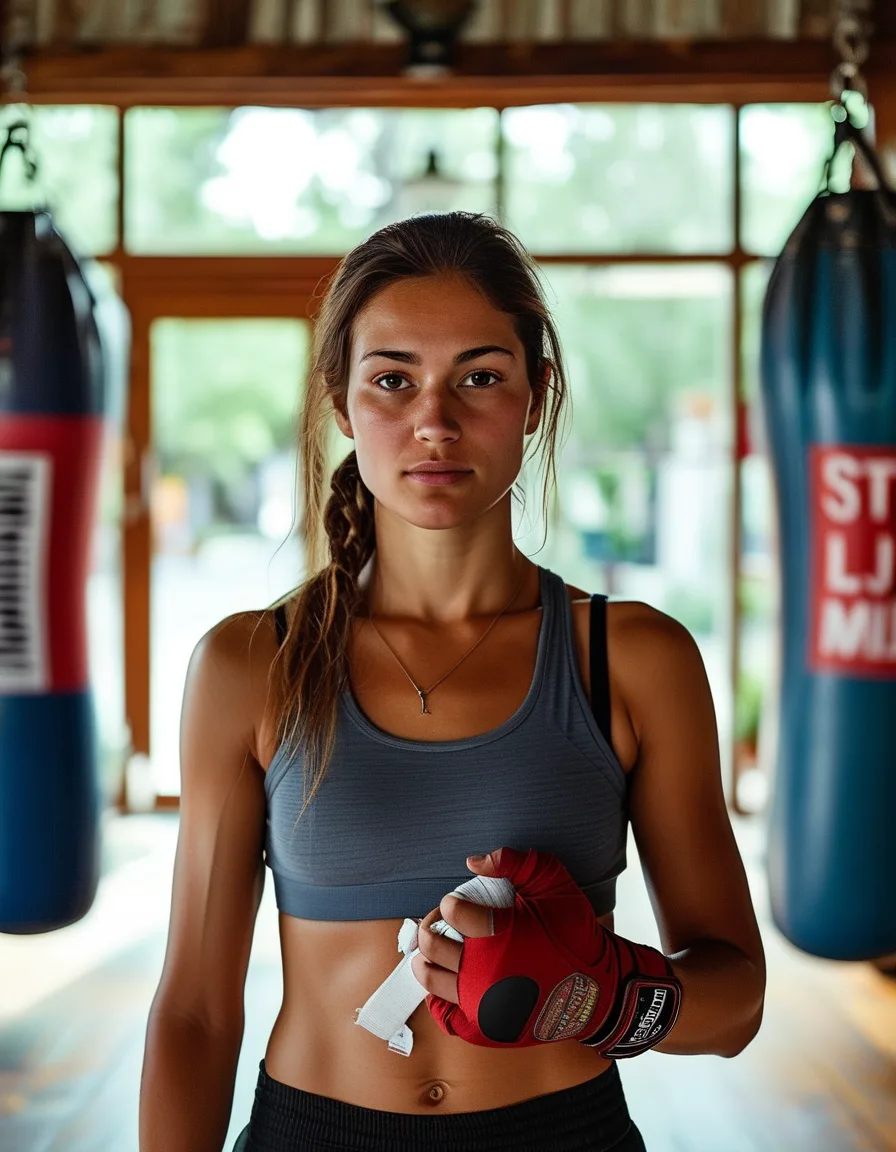
What is boxing gym culture actually like?
It runs on effort, not ability. This is the genuinely great thing about boxing gyms: the currency is how hard you work, and you can mint it on day one. A beginner who works hard outranks a talented coaster, and everyone in the room can tell the difference instantly. You don’t have to be good — you have to try.
Most people there are beginners. Modern boxing-fitness classes are majority-newcomer, and women’s boxing has grown enormously, which has changed the composition of the average class considerably. You will not be the only nervous first-timer.
There is no sparring in a fitness class. None. Zero getting hit. It’s bag work, pad work and shadowboxing. Sparring is a separate, opt-in universe that happens months later, with headgear and a coach’s permission, and only if you decide you want it. This is the single most common thing that stops people signing up, and it’s simply not part of the class.
The etiquette is simple. Wipe down shared equipment. Bring your own wraps. Learn the coach’s name and use it. Don’t hit a bag someone’s clearly using. That’s roughly the whole code.
What happens in your first boxing class?
The hour, previewed:
Arrival (15 minutes early). Waiver, quick tour, and — the tradition — the coach wraps your hands for you the first time. Watch closely; you’ll do it yourself next week.
Warm-up (10 minutes). Jump rope and calisthenics. You will trip on the rope. Everybody trips on the rope; it’s a universal rite and nobody notices. Modifications are always available and asking for one is completely normal.
Technique block (10–15 minutes). Stance and jab, usually in front of a mirror, in rows. Everyone looks awkward together, which is a surprisingly effective social solvent.
Bag work (20 minutes). Your first heavy-bag rounds. Two surprises are coming: the bag stings your hands more than expected, and three minutes is much longer than three minutes has ever been. Effort matters more than polish here — nobody expects clean technique on day one.
Conditioning finish (10 minutes). Core work and burpees. A taste of the fighter circuit.
Afterward. Glove bumps, the coach saying “see you next week,” and a soreness forecast: forearms and shoulders on day one, and a mysterious full-body ache on day two. The forearm soreness is from gripping — it fades within a few sessions.

What should you bring to your first boxing class?
The minimal kit: athletic clothes you can move in, water, a towel. That’s it. Most gyms have loaner gloves for beginners — hold off on buying your own until you’re sure you’re staying, then budget $60–100.
Buy hand wraps first. About $10, and they’re both a hygiene layer (loaner gloves are shared) and genuine wrist protection. Get 180-inch wraps for adult hands. Watch a wrapping tutorial at home the night before so the coach’s demonstration makes sense — but don’t stress, they’ll show you.
Practicalities: short nails (glove life is not compatible with long ones), rings and bracelets left at home, hair tied back.
Fueling: a light snack about 90 minutes before. Boxing on an empty stomach and boxing on a full one are both regrettable in different ways.
Booking: choose a class explicitly labeled beginner or fundamentals for visit one. Save “all levels” for around visit three. The on-ramp exists — use it.
How do you pick the right boxing gym?
Watch a beginner class before joining. This is the highest-value 20 minutes you can spend. What you’re looking for: does the coach correct individual form, or just yell encouragement at the room? Both are legitimate businesses — a teaching gym and a sweat factory serve different goals. Pick the one that matches yours.
Audit the vibe. Front-desk warmth, who’s in the class, and how you feel walking through the door. Trust that reading.
Know the two flavors. Boutique boxing-fitness studios have boxing-flavored HIIT, great music and higher prices. Real boxing gyms run competition programs and also offer fitness classes — and their fitness classes are frequently the best-taught and the cheapest, because they’re staffed by actual boxing coaches. Don’t assume the shinier option teaches better.
Use trial passes. Nearly every gym offers a free class or intro week. Try two or three before committing — comparison tells you things one visit can’t.
Read the contract. Class packs vs monthly membership vs annual contract. Do the math on how often you’ll realistically go, and check the cancellation terms before you sign anything with a 12-month commitment.
The belonging forecast: in most boxing gyms, by your third visit someone greets you by name. It happens faster there than almost anywhere else in fitness — because effort is visible, and effort is the culture.
5 Mistakes Everyone Makes on Their First Boxing Class
- Booking the all-levels class first. You’ll spend the hour behind. Take the fundamentals class; it exists for exactly this.
- Arriving on time instead of early. The 15 minutes before class is when you get the waiver, the tour and your hands wrapped. Arriving at the bell is stressful and skippable.
- Punching the bag as hard as possible. Day one is for form and hand conditioning. Full-power punches on untrained wrists is how beginners get hurt in week one.
- Skipping wraps because the gloves are provided. Wraps protect your wrists, and shared gloves are shared gloves. Ten dollars.
- Not going back after the first class. The third mistake causes the most injuries, but this one causes the most regret — class two is dramatically less intimidating than class one, and class three is where it starts being fun.
Mini FAQ
Will I have to spar in my first boxing class?
No. Fitness and beginner boxing classes involve no contact at all — bag work, pad work and shadowboxing only. Sparring is a separate opt-in track that typically comes months in, requires a coach’s approval and proper headgear, and is entirely optional. Plenty of long-term members never spar and are perfectly at home in the gym.
How fit do I need to be to start boxing?
Not very. Classes are designed with modifications, and the coach expects a range. What surprises most beginners isn’t cardio but grip and shoulder endurance — holding your hands up for three minutes is its own skill, and it develops within a few weeks. Go at your own pace and take the rest you need; nobody is counting.
What should a woman wear to her first boxing class?
Leggings or shorts you can move and pivot in, a supportive sports bra, a fitted top that won’t ride up when your hands are raised, and cross-training or flat shoes rather than cushioned running shoes. Nothing boxing-specific is required. Comfort and being able to lift your arms freely are the only real criteria.
TL;DR:
- Modern boxing classes are majority beginner and involve zero sparring.
- Arrive 15 minutes early; the coach wraps your hands the first time.
- Bring: athletic clothes, water, towel, and your own wraps (~$10). Gloves are usually loaned.
- Book beginner/fundamentals, not all-levels.
- Light snack 90 minutes before; short nails, no jewelry.
- Trial 2–3 gyms; watch a class and judge the coaching, not the decor.
- Expect sore forearms and shoulders — and to be greeted by name by visit three.
Arrive early, wrap up, work hard. Effort is the currency, and you can pay it on day one.
Keep Reading
This article is for general informational and styling purposes only. Fit, sizing, and product availability may vary.